

WhatsApp marketing is a communication method used by businesses to send messages, updates, and service responses through WhatsApp. This WhatsApp marketing guide for businesses explains how messaging platforms are used to manage customer interaction, promotions, and support processes in a structured way.
Businesses use WhatsApp to maintain direct communication with users. Messages are delivered instantly, which supports faster interaction compared to other channels. This method is used for handling inquiries, sending order updates, and maintaining ongoing communication with customers.
Why WhatsApp Marketing Matters for Businesses
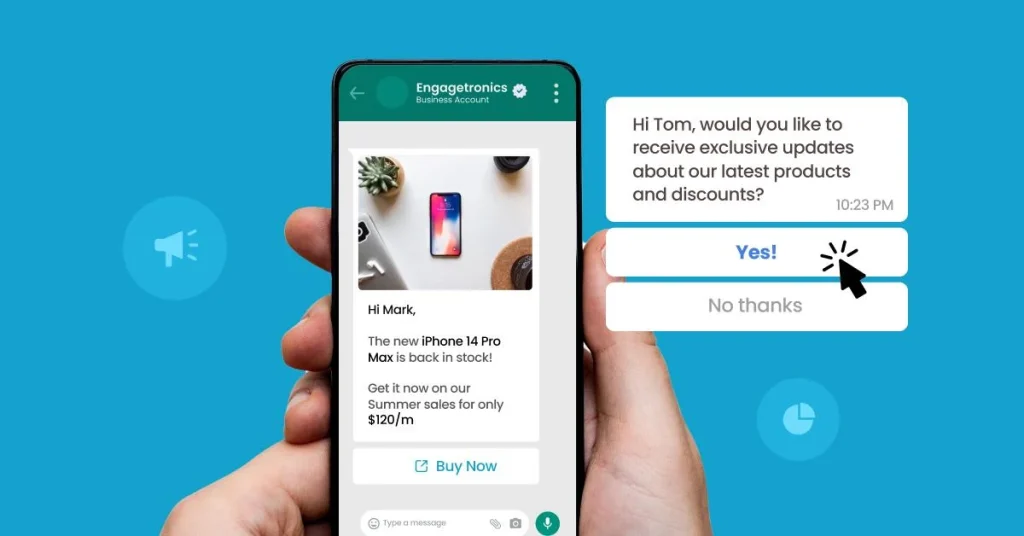
Customer communication requires consistency and speed. WhatsApp marketing supports both by allowing direct and immediate messaging. Messages are generally viewed within a short time, which supports timely communication.
Businesses use WhatsApp to reduce response delays and manage high volumes of conversations. This improves communication handling and supports operational efficiency. It also reduces dependency on multiple communication channels.
How WhatsApp Marketing Works
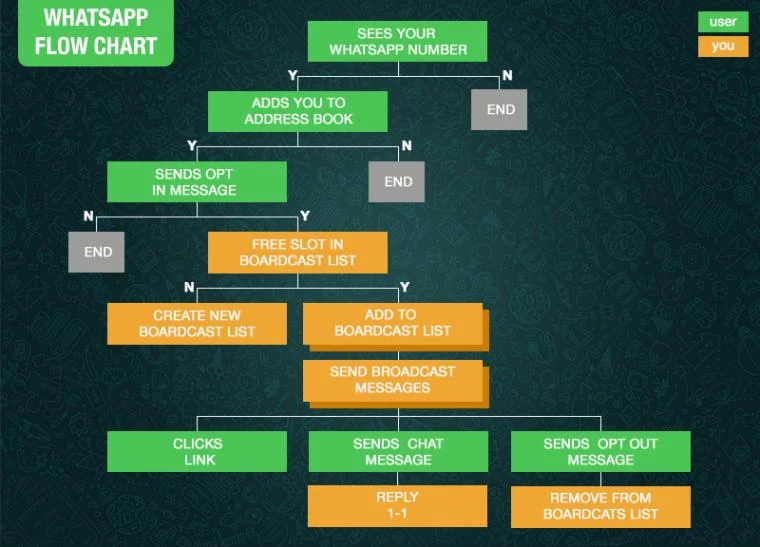
The process of WhatsApp marketing begins with collecting user contact details through websites, landing pages, or social media platforms. These contacts are then used to send messages using broadcast lists or approved messaging systems.
Automation tools handle incoming queries and provide predefined responses. This ensures consistent communication and reduces manual effort. Businesses also use product catalogs and direct messaging to guide users through the purchase process.
This structured approach supports better communication management and improves response handling across multiple users.
Businesses that want structured implementation can follow a step-based process on how to use WhatsApp for business growth.
Key Features of WhatsApp Marketing
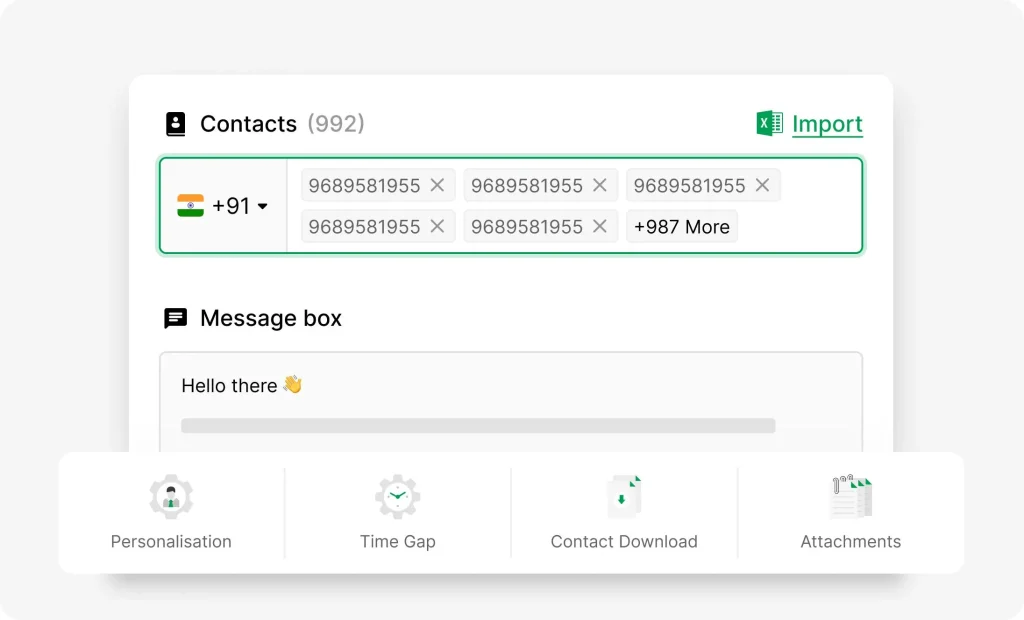
WhatsApp marketing includes several features that support business communication. Bulk messaging allows sending updates or notifications to multiple users at once. This is useful for announcements, offers, or reminders.
Automation systems manage conversations through predefined workflows. Chatbots respond to common queries and route conversations when needed. Product catalogs allow businesses to display items within chats, which supports decision-making.
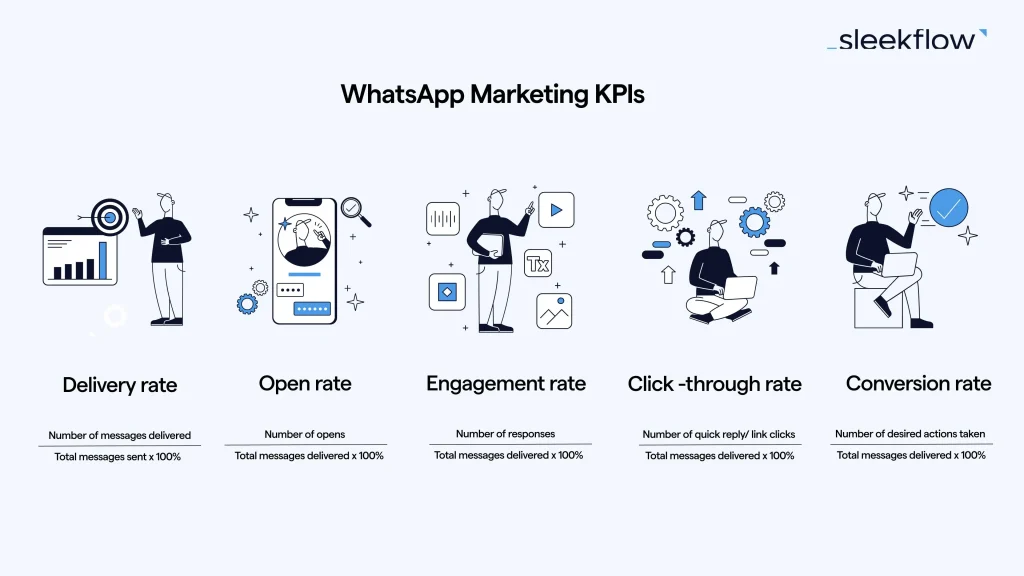
Analytics tools provide insights into message delivery, response rates, and engagement levels. These data points help in evaluating communication performance.
Benefits of WhatsApp Marketing for Businesses
WhatsApp marketing supports higher message visibility compared to traditional communication methods. Messages are delivered directly to users, which reduces the chances of being ignored.
It allows structured communication through automation, which helps in managing large volumes of queries. This reduces workload and maintains consistency in responses.
Cost efficiency is another factor. Businesses can manage communication, promotions, and support within a single platform. This reduces the need for multiple tools and systems.
WhatsApp Marketing vs Traditional Channels
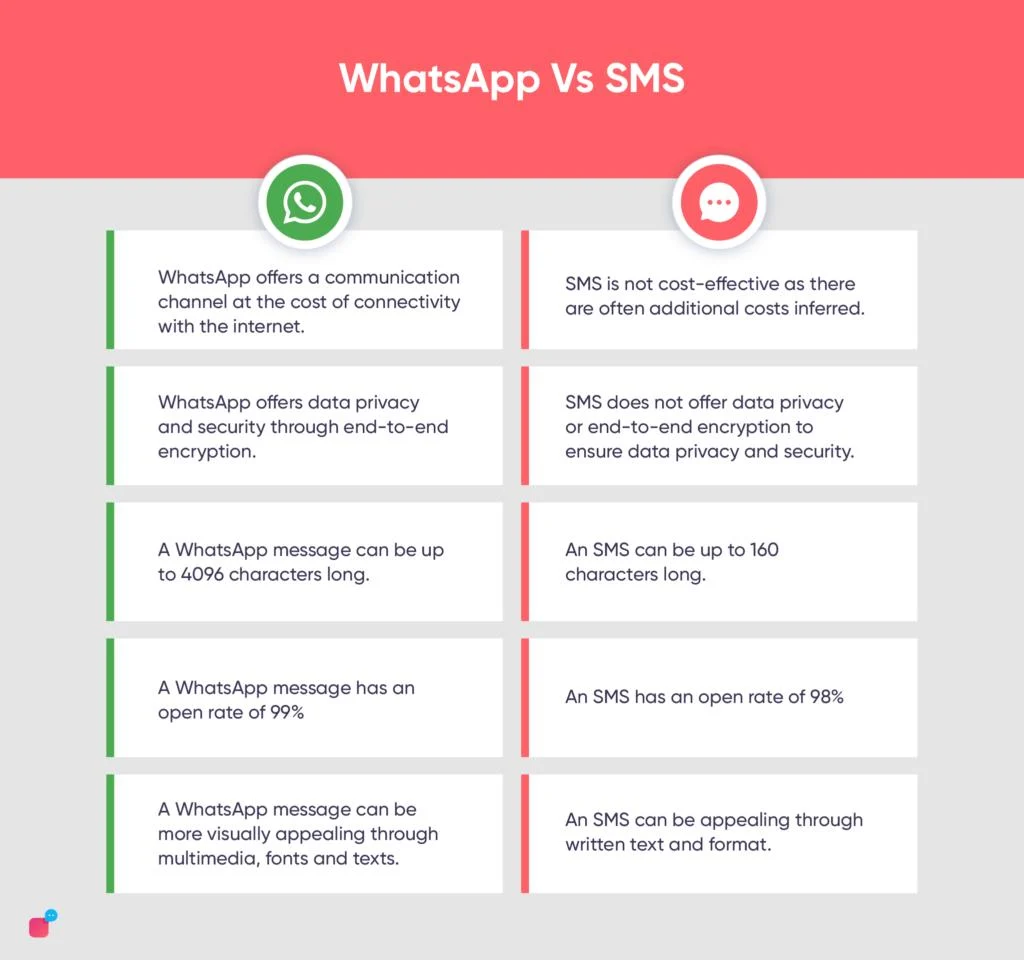
Traditional communication channels such as email and SMS operate with limited interaction. Emails may remain unread, and SMS has format limitations.
WhatsApp supports two-way communication, which allows users to respond instantly. It also supports media sharing, structured replies, and continuous conversation flow. This improves communication clarity and response handling.
Businesses that require quick interaction and continuous engagement prefer messaging-based communication systems.
Best Practices for WhatsApp Marketing
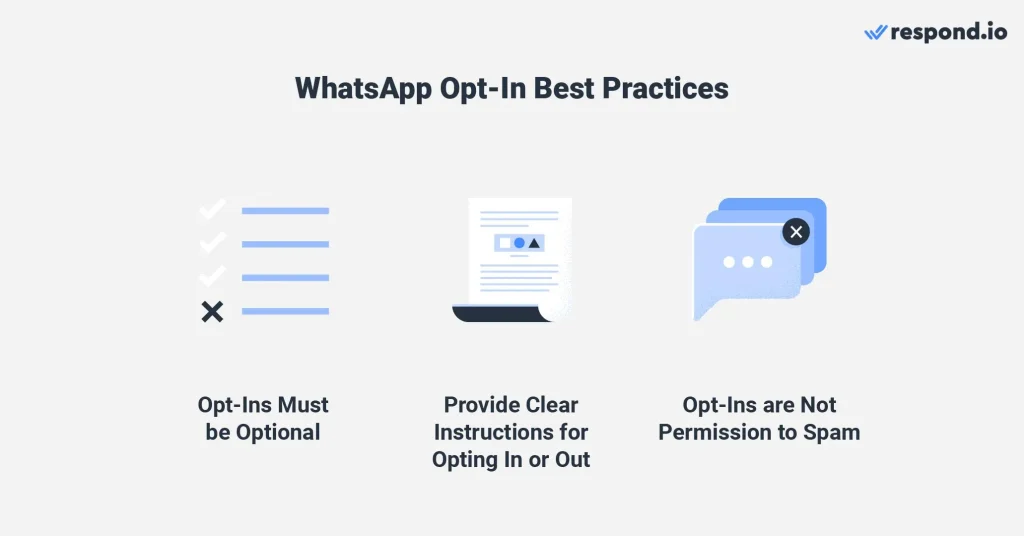
Customer consent is required before sending messages. This ensures compliance with messaging policies and improves response quality.
Messages should remain relevant and structured. Unnecessary messaging can reduce engagement and affect communication quality. Frequency control is important to maintain balance.
Automation tools can be used to manage response timing and message flow. Structured communication formats help users understand messages clearly and respond when required.
Role of Automation in WhatsApp Marketing
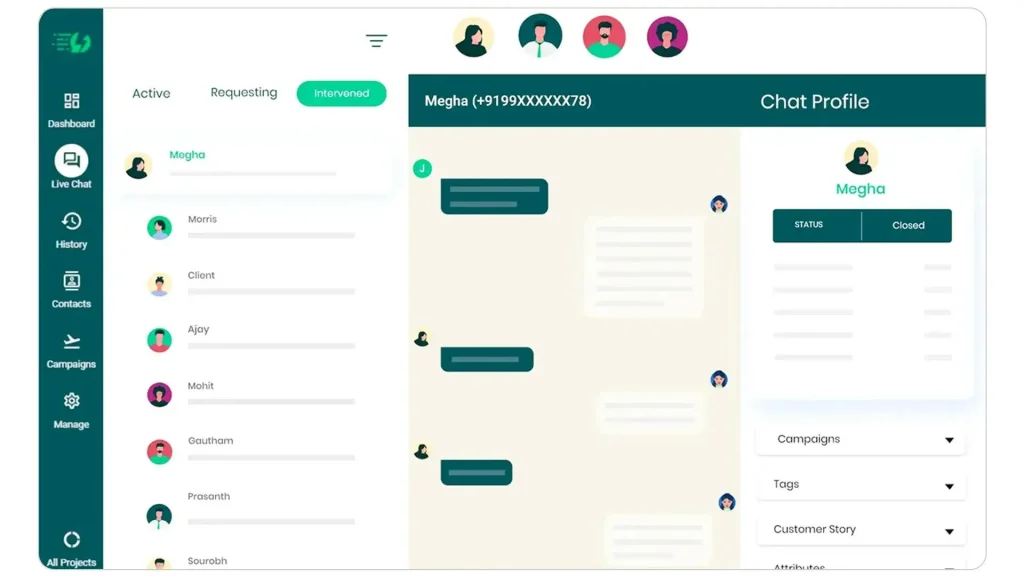
Automation plays an important role in WhatsApp marketing. Chatbots handle repetitive queries and provide instant responses. This reduces manual workload and supports continuous availability.
Automation systems also manage workflows such as lead qualification, follow-ups, and message scheduling. This ensures that communication remains consistent across all users.
WatConnect provides automation features, bulk messaging, and API integration. It supports centralized communication and structured workflows for business messaging.
Use Cases of WhatsApp Marketing
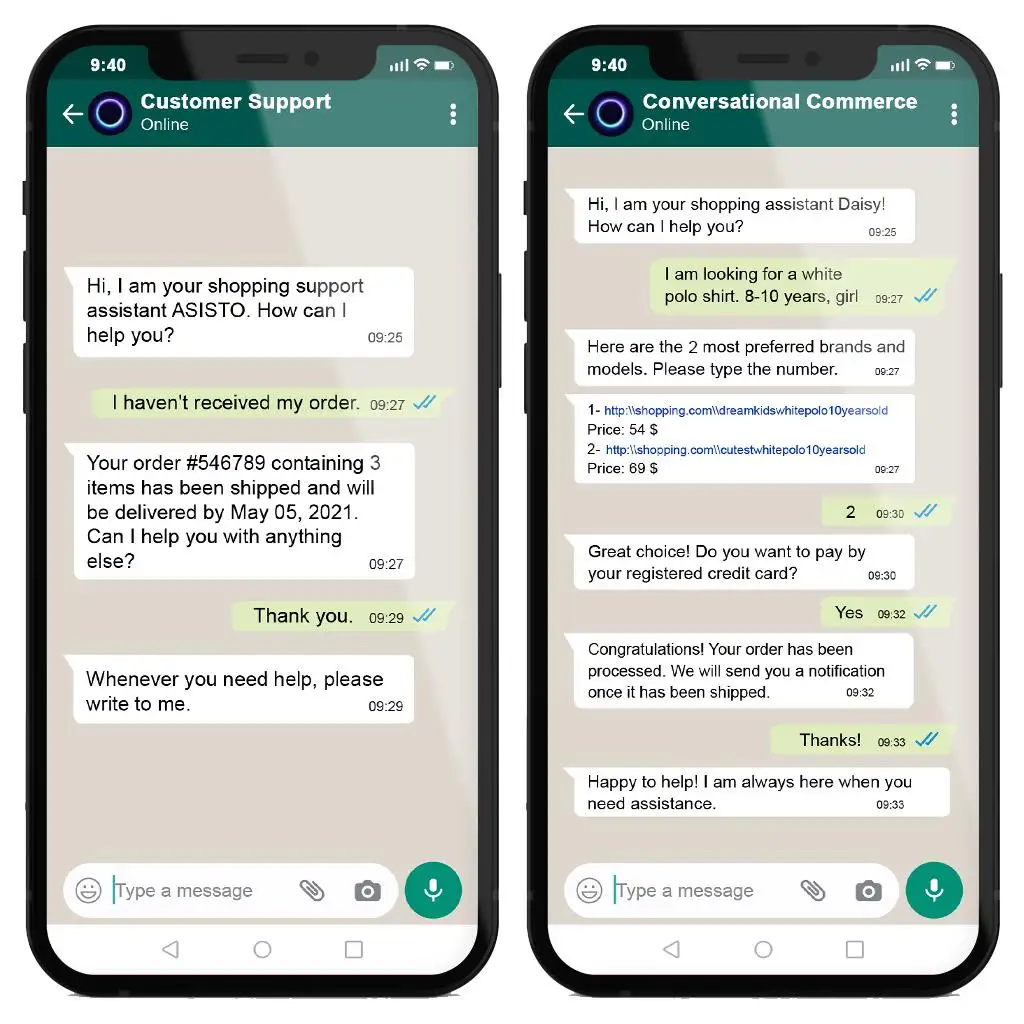
Businesses use WhatsApp marketing in multiple ways. It is used for sending order confirmations, delivery updates, and appointment reminders. It is also used for handling customer support queries.
Promotional messages and product updates are sent through broadcast systems. Businesses also use WhatsApp for internal communication and coordination in some cases.
This flexibility allows businesses to manage different types of communication within a single platform.
Future Scope of WhatsApp Marketing

Messaging platforms are becoming a central part of business communication systems. Automation and AI-based tools are being integrated to improve response handling and communication structure.
WhatsApp marketing is expected to continue as a primary channel due to its wide user base and messaging capabilities. Businesses are adapting messaging systems to maintain communication efficiency and consistency.
FAQs
Q1. What is WhatsApp marketing?
WhatsApp marketing is the use of WhatsApp to send messages, updates, and support responses to customers.
Q2. How does WhatsApp marketing work for businesses?
It works by collecting customer contacts, sending messages, and using automation tools to manage communication.
Q3. What is WhatsApp Business API?
It is a system that allows businesses to automate messaging, send bulk messages, and integrate with other tools.
Q4. Can WhatsApp marketing be automated?
Yes, automation tools and chatbots can manage conversations and workflows.
Q5. Is WhatsApp marketing suitable for small businesses?
Yes, it supports direct communication, structured messaging, and cost efficiency.
Conclusion
This WhatsApp marketing guide for businesses explains how messaging platforms are used for structured communication, automation, and customer interaction. Businesses use WhatsApp to manage conversations, reduce response time, and maintain communication consistency across different processes.
CTA:
Manage business communication and automation using WatConnect.